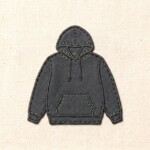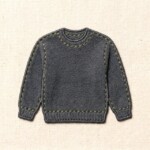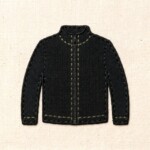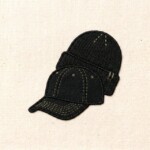
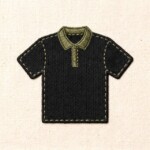
100+ styles. Everyday blanks in cotton, tri-blend, and performance fabric.
How Canadian Companies Are Saving 30% on Branded Apparel by Going Direct
Branded apparel should be simple. A company needs polos, hoodies, tees, jackets, caps, or uniforms. The logo is ready. The team size is known. The deadline is clear.
But the process often becomes messy.
Retail markup inflates the price. Timelines stretch without explanation. Minimum order quantities are unclear. Reorders feel like a new project every time. Artwork gets rebuilt. Colours shift. Nobody knows whether embroidery, screen print, or DTF is the right method.
For procurement managers, brand managers, and office managers, this creates a frustrating problem: the company needs branded apparel, but the buying process feels inefficient and overpriced.
That is why more Canadian companies are moving toward a direct B2B apparel model.
The Problem With Traditional Branded Apparel Buying
A lot of businesses buy branded apparel through retail-style channels or middlemen. The result is usually more cost, less control, and slower communication.
Retail pricing was not built for bulk business orders. It was built for individual purchases. When companies use that model for team apparel, they often pay more than they need to.
The second issue is markup stacking. One company sells the blank. Another decorates it. Another manages the order. Another handles fulfillment. Each layer adds cost and delay.
Then there is the confusion around minimums. Some suppliers advertise low prices but only at quantities most companies do not need. Others quote one method without explaining why it is being used. By the time the order is approved, the buyer still may not understand what they are paying for.
That is not procurement. That is guessing.
The Direct B2B Model
The direct B2B model is built around bulk ordering, customization, and repeat business.
Instead of treating every order like a one-off retail transaction, a direct supplier works with the company’s actual needs: team size, apparel use case, decoration method, budget, reorder schedule, and brand standards.
For Wear US, that means helping Canadian businesses order branded apparel with fewer layers between the buyer and the final product.
The value is not just lower pricing. It is clearer decision-making.
A direct B2B supplier can help answer practical questions:
- Which garment works best for daily staff wear?
- Should the logo be embroidered or printed?
- What is the best option for a 50-person team?
- How do we keep costs under control without making the apparel look cheap?
- How do we reorder the same item later?
- How do we handle multiple locations?
When the buying process is structured correctly, the savings come from removing waste, not cutting corners.
Where the 30% Savings Come From
Companies can often reduce branded apparel costs by going direct because they are no longer paying for unnecessary retail markup, duplicate handling, repeated setup, or inefficient ordering.
The savings usually come from four areas.
First, better garment selection. A direct supplier can recommend apparel that matches the use case instead of pushing whatever has the highest margin.
Second, better decoration matching. Embroidery, screen print, and DTF all have different cost structures. Using the wrong method can make an order more expensive than it needs to be.
Third, bulk pricing. Ordering properly by quantity, garment type, and decoration method can create better unit economics.
Fourth, faster reorders. Once artwork, sizing, and placement are approved, future orders should not require the same amount of admin work.
The real win is not just saving money on the first order. It is building an apparel system that gets cheaper, faster, and more consistent over time.
Customization Control Matters
Cost is important, but control matters just as much.
A company’s apparel is part of its brand. If the logo is too small, too large, crooked, faded, or placed inconsistently, the brand looks careless.
Going direct gives the buyer more control over the details that affect the final result: garment colour, logo placement, decoration method, size range, packaging, reorder consistency, and approval process.
This is especially important for companies with customer-facing teams. Staff apparel is not just internal swag. It becomes part of the customer experience.
A clean embroidered polo can work for office, sales, and front-desk staff. A durable printed tee may work better for events, warehouse crews, or seasonal teams. Hoodies and jackets may be needed for outdoor work, delivery teams, or field staff.
The point is not to order the most expensive option. The point is to choose the right option.
Faster Reorders Reduce Operational Friction
One of the biggest hidden costs in branded apparel is time.
Every time an office manager has to dig up the old logo file, confirm the previous shirt style, ask five people for sizes, and chase a supplier for updates, the company loses time.
A direct B2B model should make reorders easier.
The supplier should keep production notes, approved artwork, garment preferences, and decoration specs. That way, when the company needs 20 more polos, 15 onboarding hoodies, or 100 event tees, the process is faster.
For growing companies, this matters. Hiring does not stop because uniforms are delayed. Events do not move because apparel missed the deadline. New locations cannot look off-brand while waiting for a supplier to figure out the last order.
Case Example: A 50-Person Toronto Company
A Toronto-based property services company with 50 employees had been ordering branded polos and hoodies through a retail-style promotional vendor. The apparel looked acceptable at first, but reorders were inconsistent. Some polos had different fabric texture. The embroidery size changed slightly. Hoodies came from a different blank supplier. New staff waited too long for apparel.
The company switched to a direct B2B supplier.
The new process started with a basic apparel system: embroidered polos for office and client-facing staff, printed performance tees for field teams, and branded hoodies for colder months. Artwork placement was standardized. Sizes were collected in one spreadsheet. Approved garments were documented for future reorders.
The result was a cleaner brand look, faster onboarding for new hires, and roughly 30% lower total apparel spend across the year because the company stopped paying retail-style markup and avoided repeated setup confusion.
Nothing flashy. Just better procurement.
What to Send When Requesting a Quote
To get an accurate quote, send the supplier the full picture upfront.
Include the garment type, quantity, logo file, preferred decoration method if known, size range, deadline, shipping location, and whether this is a one-time order or recurring need.
If you are not sure what method to use, say that. A good supplier should recommend the right production path based on your budget, garment, and timeline.
The best branded apparel orders start with clarity.
The Bottom Line
Canadian companies do not need to overpay for branded apparel. They need a direct process, better guidance, and a supplier that understands bulk business orders.
Going direct can lower costs, improve quality control, simplify reorders, and make the brand look more consistent across the team.
Ready to stop overpaying for branded apparel? Request a quote at wearus.ca and build a cleaner, faster apparel program with Wear US.